ABOUT MATHARE
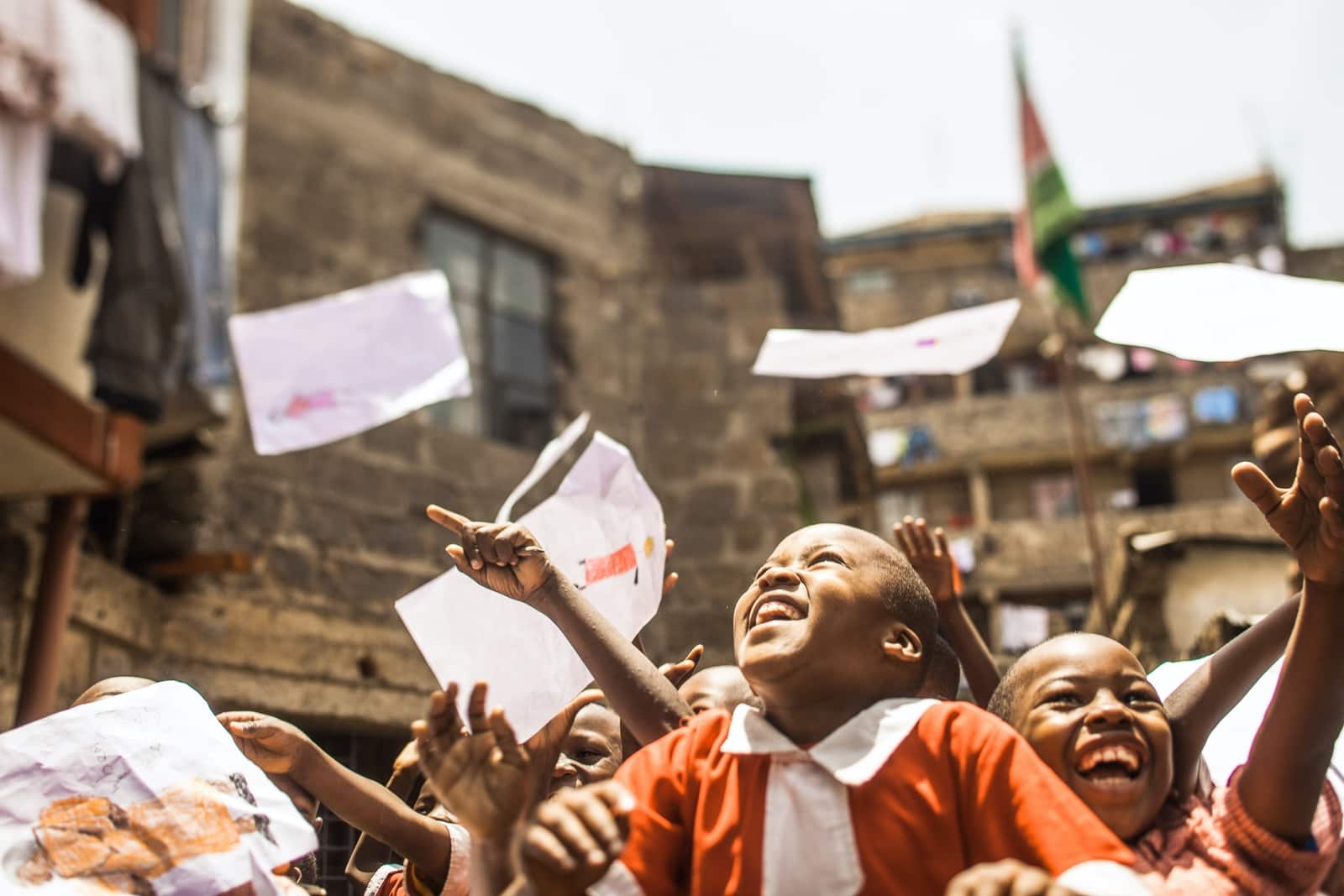
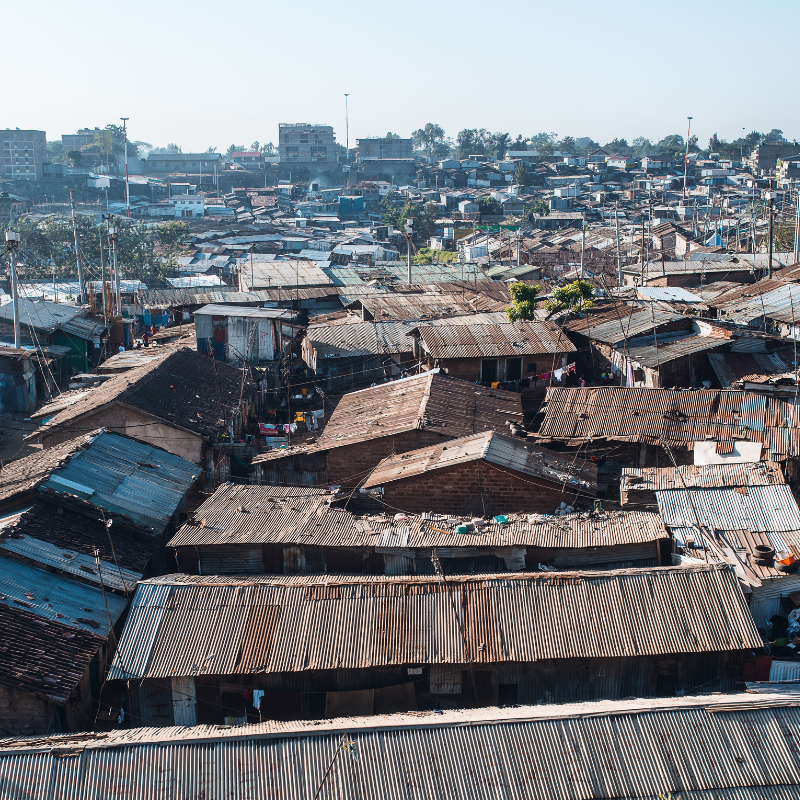
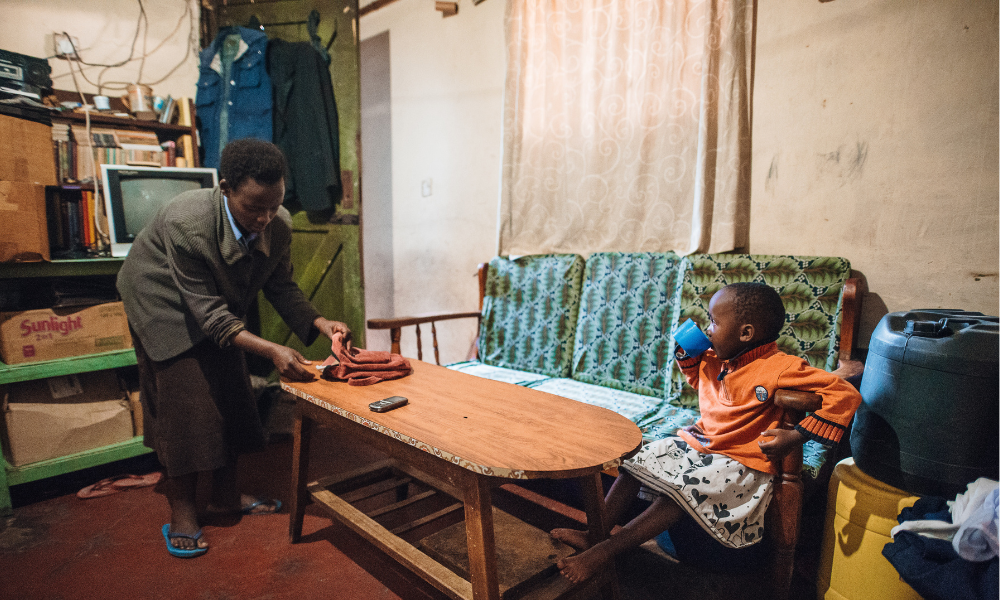
Mathare is one of Nairobi, Kenya's oldest and largest informal settlements. With a history closely tied to the start of Kenyan independence, it's residents experience significant vices. From low-income high-rise apartments to homes made of tin and wood scraps, the realities of life in Mathare are difficult: limited access to clean water, electricity, and sanitation, and daily struggles to meet basic needs.
Yet, Mathare is not defined by its poverty, it’s defined by its people. Mothers who sacrifice for their children. Young people dreaming of something better. Communities longing for hope and opportunity.
ORIGINS
More than 100 years ago, Mathare began as a stone quarry supplying materials for the construction of Nairobi during Kenya’s colonial era. In the early 1920s, African communities were forcibly removed from surrounding areas and pushed into the low-lying valley that would become Mathare. Families built makeshift homes from wood and mud, creating one of Nairobi’s earliest informal settlements.
After both World War I and II, African veterans who had fought alongside the British also settled in Mathare after receiving little to no compensation or land. Following the colonial era Mathare continued to grow, with growing gang, tribal and political tensions laying the foundation for what would become one of Kenya’s most poverty stricken, politically charged and unstable communities today.
LIFE IN MATHARE TODAY
.png)
WHY WE EXIST
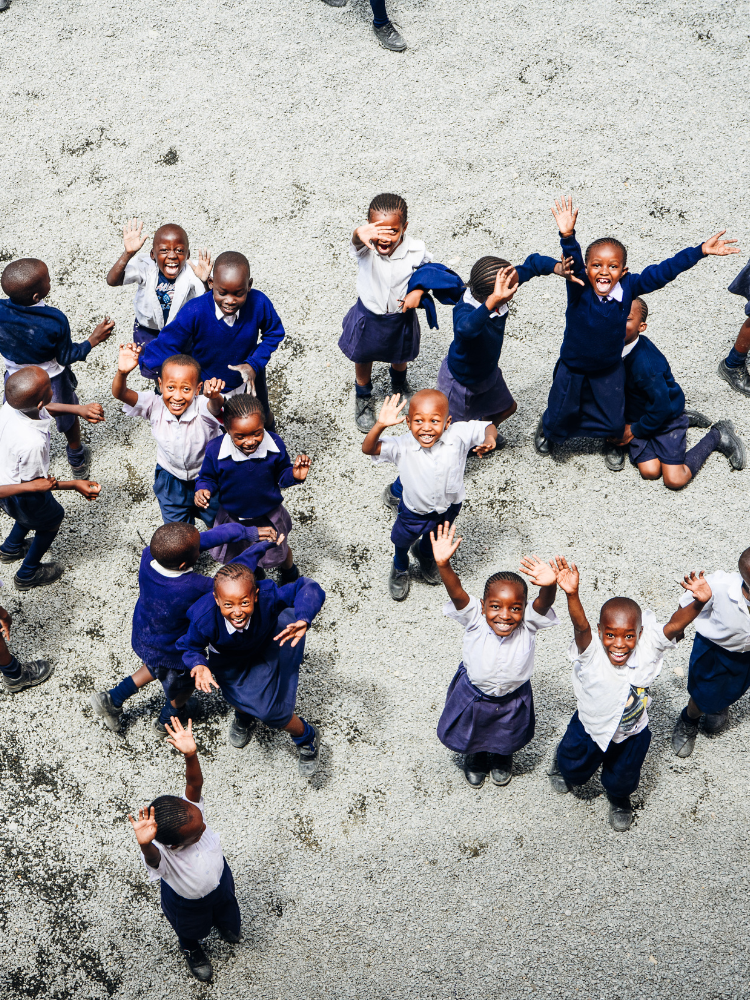
Education creates opportunities for dignified work, develops character and leadership, and brings hope to entire families and communities.
For nearly two decades, eduKenya has partnered with families in Mathare to help break the cycle of poverty through Christ-centered education.
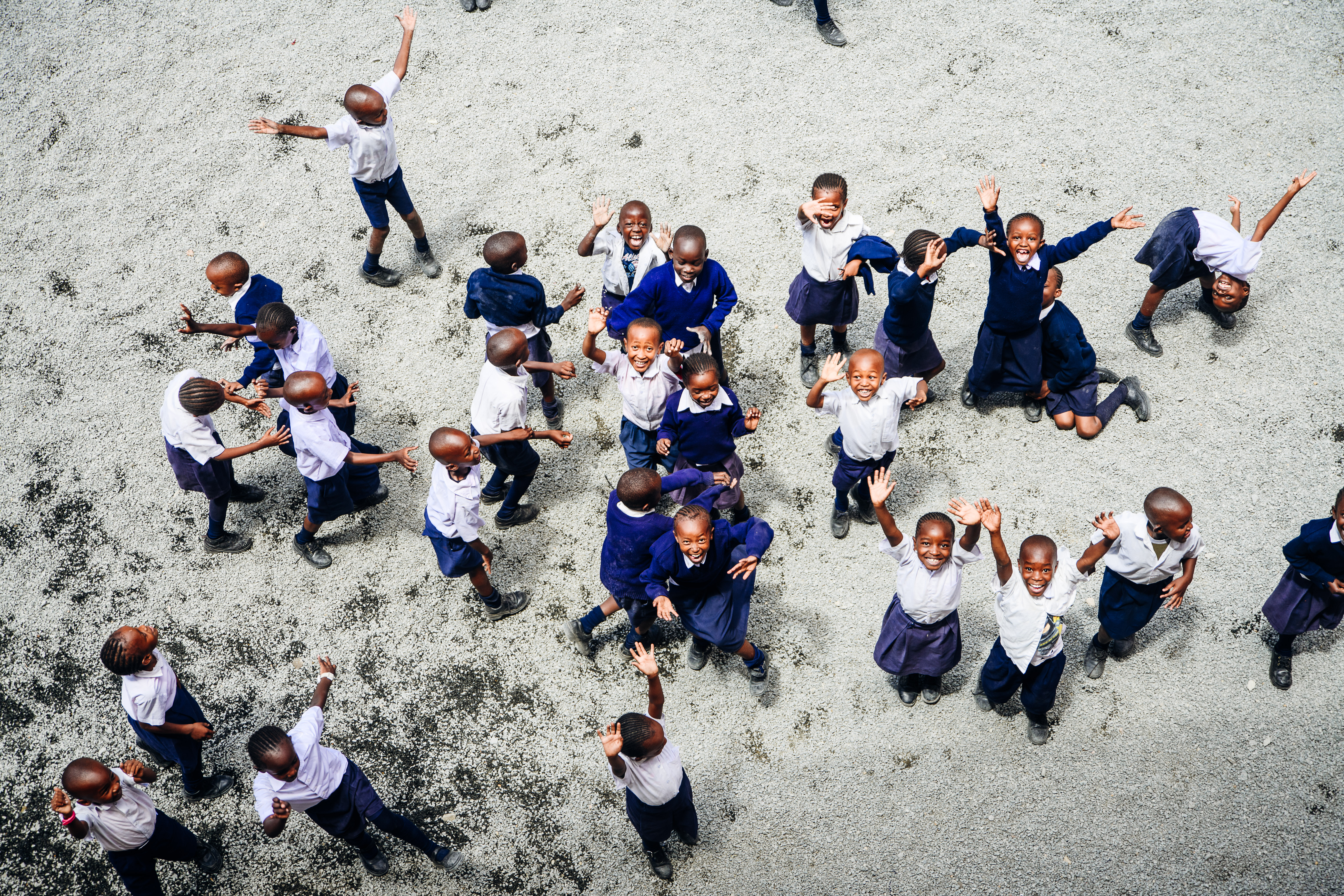
Through Mawewa Preschool, Mawewa Primary School, and Chelezo High School, eduKenya equips students with the knowledge, support, and spiritual foundation they need not only to rise above poverty, but to become leaders who will one day serve and strengthen their own community.
The transformation happening in Mathare is possible because of people who provide tuition, meals, uniforms, and a safe environment where children can thrive and dream of a different future.
The opportunity to
learn can change
the future.
Education is one of the most powerful tools to break the cycle of poverty. But eduKenya’s approach goes beyond just academics— it’s about discipleship, dignity, and transformation.
In Christ-centered classrooms, students discover their God-given value and purpose. They learn skills that open doors to opportunity and faith that anchors their lives in hope.
God is writing a different story in Mathare.