

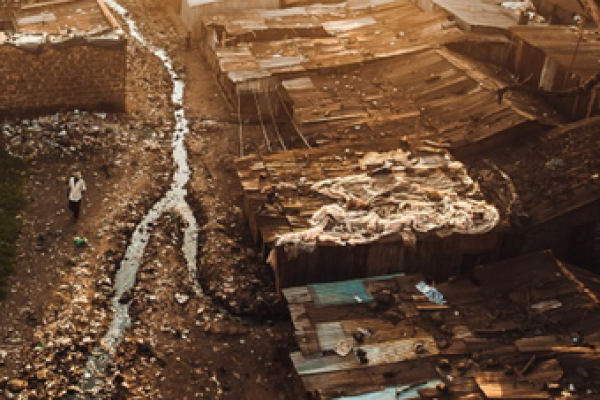
Mathare
Mathare served as a stone quarry used to extract building materials for Nairobi's construction during the early colonial period. Settlement in the area began in the early 1920s, after the colonial government evicted African communities from prime surrounding areas and pushed them into the low-lying valley. By the late 1920s, Mathare was home to several thousand native Africans living in makeshift structures of wood and mud. In addition, African veterans of both World War I and II also settled in Mathare, as they were disenfranchised after receiving no land compensation for fighting alongside the British in both wars.
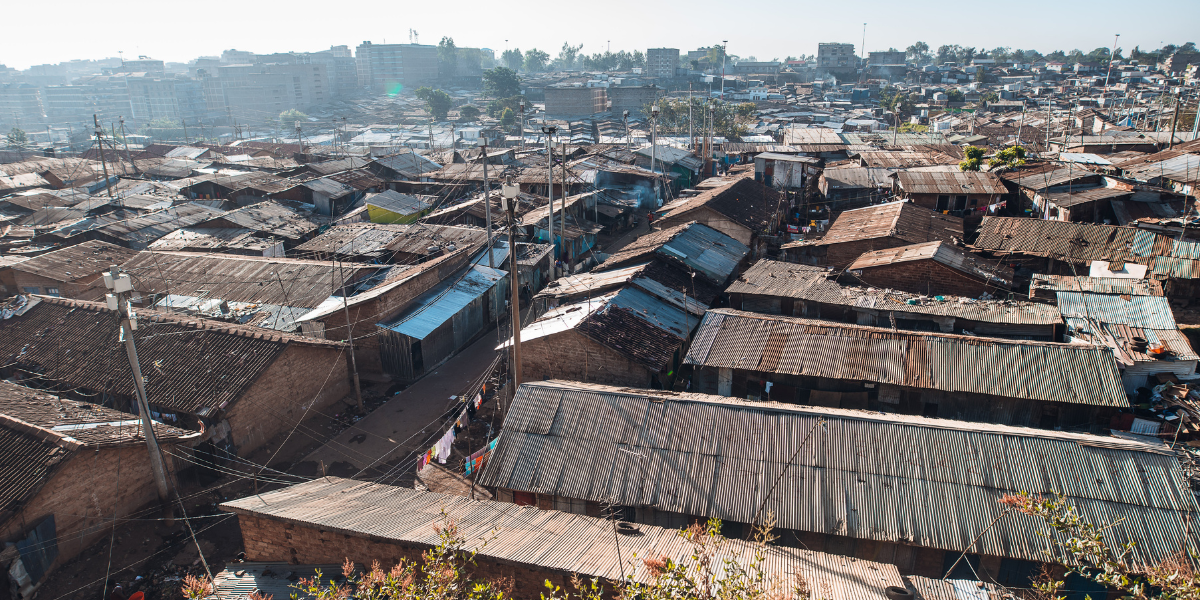
These veterans became a radical force in the community, fueling resistance against colonial discriminatory policies. Following the colonial era, Mathare continued to grow, with growing gang, tribal and political tensions laying the foundation for what would become one of Kenya’s most poverty stricken, politically charged and unstable communities today.
Current population figures for Mathare vary widely, from official census counts of approximately 200,000 to community estimates as high as 800,000. This variance is because informal settlements like Mathare exist outside formal systems. Through the maze of unpaved dusty roads that access the community, Mathare is a mix of metal shack villages, hosting large families in tight quarters, mostly without government services like sanitation or electricity, and also numerous dangerous and often unstable apartment buildings, put up by unscrupulous landlords with access to minimal sporadic government services.
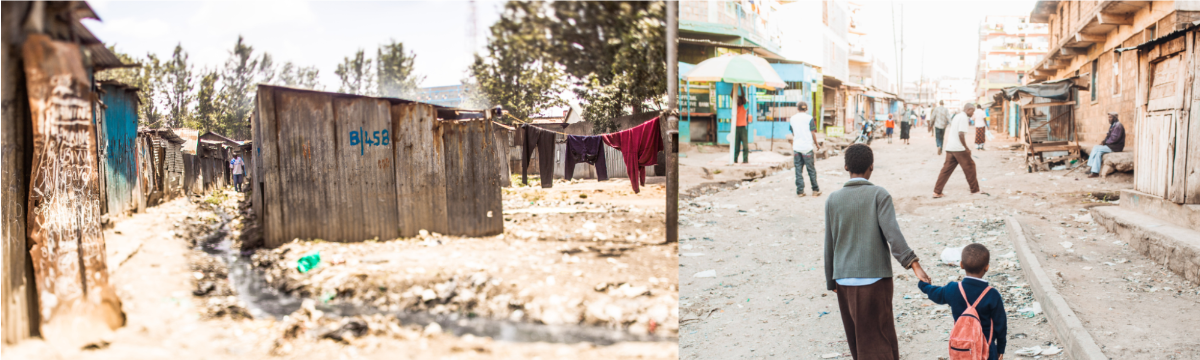
Mathare residents don't own the land they live on, and families move frequently as they chase work opportunities or are forced to flee when landlords demolish structures. This constant flux means not only poor statistics, but also broken families struggling with community connections or support, an ever deepening cycle of poverty, and children with minimal access to a good education.
Within Mathare lies Jangwani, where eduKenya first started its work. Jangwani is a small village in Mathare, where the need is especially acute. Here families survive on less than $2 a day and children grow up facing insecurity, open sewage, cholera outbreaks and gang violence.
Yet within this landscape of need, there is also extraordinary potential. The children of Mathare are bright, capable, and full of dreams, but they lack access to the education that could transform their futures.
This is why eduKenya exists.
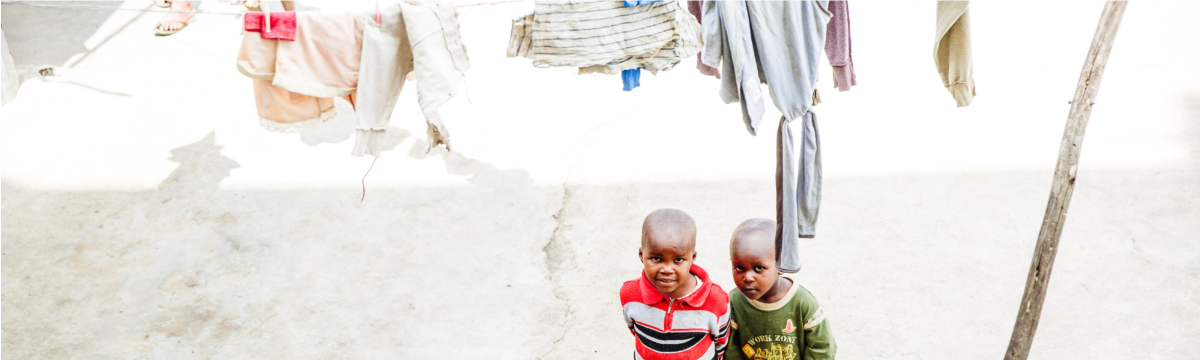
Education changes everything. It opens doors to dignified work, builds character and leadership, and creates hope that spreads through families and neighborhoods.
For almost two decades, eduKenya has worked in Mathare as long-term partners committed to breaking the cycle of poverty through Christ-centered education. Through Mawewa Preschool, Mawewa Primary School and Chelezo High School, we're giving children from Mathare the tools they need not just to escape poverty, but to return as leaders who will serve their entire community.
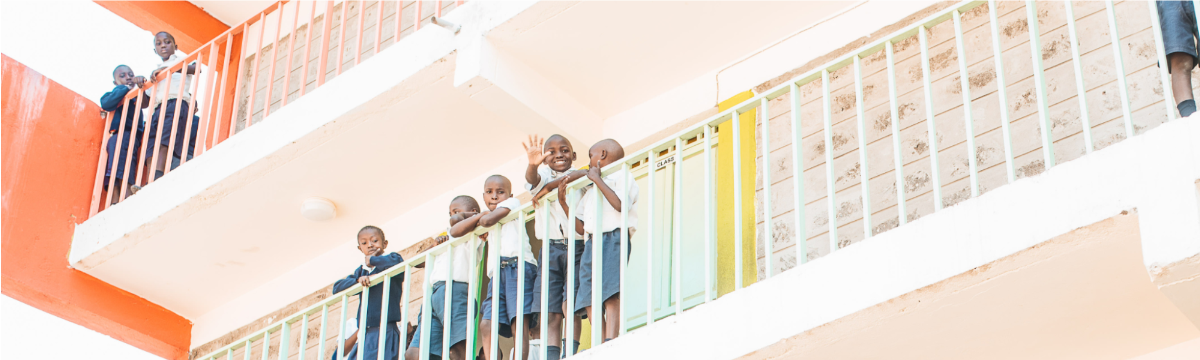
Would you consider partnering with us in this work? Your gift to eduKenya directly supports students in Mathare who are fighting for a better future. Every donation provides tuition, meals, uniforms, and the nurturing environment these children need to thrive.